

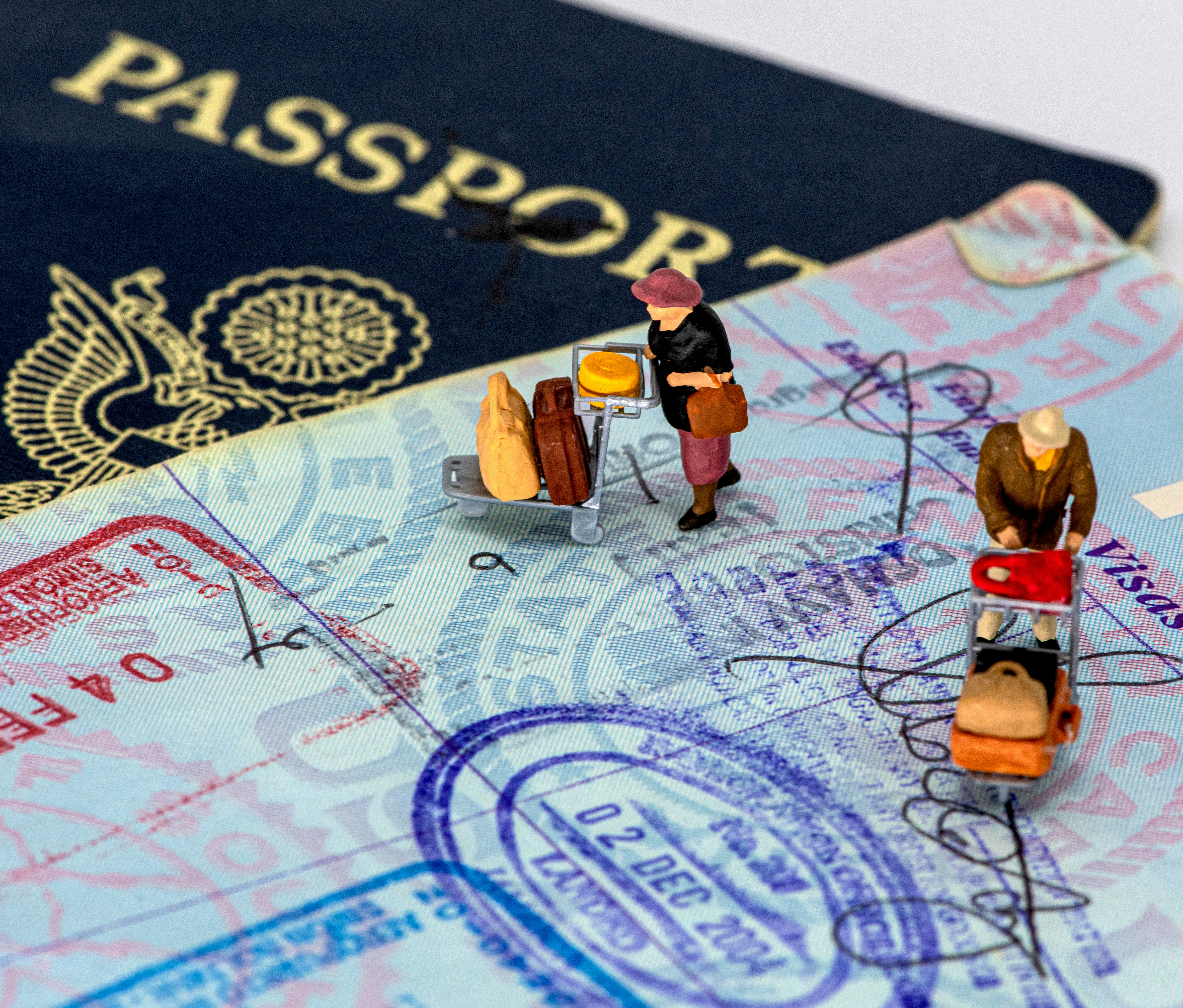
Understanding the Schengen Visa
The Schengen Visa is a crucial travel document that allows individuals to enter and move freely across the Schengen Area, which comprises 26 European countries. This visa was designed to simplify the process of traveling within these nations, effectively creating a unified border control system. The Schengen Area includes popular destinations such as France, Germany, Italy, and Spain, making it an essential consideration for tourists planning to visit multiple countries in Europe.
To obtain a Schengen Visa, travelers must demonstrate their intention to visit the participating countries for tourism purposes. This visa permits short stays of up to 90 days within a 180-day period. Additionally, it is important to note that not all individuals require a Schengen Visa. Citizens from specific nations, such as the United States, Canada, and Australia, can enter the Schengen Area for short visits without needing a visa. However, travelers from other countries must apply for the visa ahead of their planned journey.
There are several types of Schengen Visas tailored to different travel purposes. The most common one for tourists is the Type C visa, which is short-stay and allows travelers to explore the Schengen Area for leisure or recreational activities. In contrast, there are other visa types such as the Type A visa for airport transit and the Type D visa for long stays, which cater to different needs. Understanding the specific requirements and purpose of each visa type is crucial for travelers to ensure compliance with Schengen regulations.
Determine Your Visa Type and Requirements
When planning a trip to the Schengen Area, the first step is to determine the appropriate visa type required based on your travel plans. The Schengen visa is primarily categorized into two types: single-entry and multiple-entry visas. A single-entry visa allows travelers to enter the Schengen area once, whereas a multiple-entry visa permits several entries and exits over a specified duration. For individuals who foresee the need to travel in and out of the Schengen countries multiple times, applying for a multiple-entry visa is advisable.
It is also crucial to familiarize yourself with specific requirements that may vary according to your nationality and intended itinerary. Different Schengen countries may impose additional documentation based on local regulations or your specific travel circumstances. For instance, if you are traveling for tourism purposes, you will generally need to gather documentation such as an itinerary detailing your travel plans, proof of accommodation, and a valid passport that meets the Schengen validity requirements.
Furthermore, financial stability is often assessed through the submission of bank statements or proof of sufficient funds to cover the duration of your stay. Depending on the country of application, you may be required to provide health insurance that satisfies the Schengen guidelines, including coverage for emergencies and repatriation costs. It is essential to thoroughly research and gather all necessary documents corresponding to your specific timeline and destination countries to ensure a smooth application process.
Ensuring compliance with these requirements will aid in streamlining the visa application process and increase the likelihood of successful approval. Proper preparation not only saves time but also alleviates stress associated with traveling to multiple nations within the Schengen Zone.
Gathering Required Documents
When applying for a Schengen Tourist Visa, it is vital to prepare and gather all necessary documentation meticulously. At the core of your application is a valid passport, which should have at least two blank pages and must be valid for at least three months beyond your planned departure from the Schengen area. Ensure that the passport is issued within the last ten years and is in good condition.
Photographs are another critical component of the application. It is advisable to provide two recent passport-sized photos that comply with the Schengen Visa photo requirements. These specifications include a neutral facial expression, a plain background, and specific dimensions. Failure to meet these requirements can lead to processing delays.
Proof of accommodation is essential, as it demonstrates where you will be residing during your stay. Acceptable documents include hotel reservations, rental agreements, or an invitation letter from a host in the Schengen area, detailing the duration of your stay and accommodation arrangements.
The flight itinerary is also a mandatory document. This should include roundtrip flight bookings which can be reserved without immediate payment or provided as a ‘dummy ticket’ to fulfill the visa requirements. However, it is not necessary to purchase tickets before obtaining your visa.
Travel insurance must cover medical emergencies and repatriation for at least €30,000. It should be valid for the entire duration of your stay in the Schengen area, and you must include proof of this insurance with your application.
Lastly, evidence of sufficient financial means is important. This can be demonstrated via bank statements, pay slips, or sponsorship letters. It is crucial that your documents meet the required specifications to avoid complications in the application process. Proper preparation of these documents significantly increases the likelihood of a successful Schengen Tourist Visa application.
Filling Out the Visa Application Form
The first and most crucial step in obtaining a Schengen Tourist Visa is accurately filling out the visa application form. This document serves as the foundation of your visa application and requires careful attention to detail to avoid delays and complications. The Schengen visa application form can be found on the official website of the embassy or consulate of the country you plan to visit. It is advisable to download the form directly from the official source to ensure that you have the most up-to-date version.
When completing the form, begin by providing personal information such as your full name, date of birth, and nationality. Ensure that this information matches the data in your passport to prevent discrepancies. One common mistake applicants make is providing incomplete or inaccurate travel history, so it is essential to list all countries you have visited over the past ten years. Details such as duration of stay and purpose of visits should be filled in accurately, as this helps the visa officials assess your travel intentions.
In relation to the purpose of your travel, be specific about your plans in the Schengen Area. Whether you intend to engage in tourism, visit family or friends, or attend a business meeting, clearly state your objective. This will facilitate the evaluation process and provide clarity to the authorities reviewing your application. Additionally, if you have prior visas or travel history, especially regarding the Schengen zone, provide those details thoroughly.
Finally, before submission, double-check your application for typographical errors and ensure all sections have been completed. Submitting an accurate and well-prepared application is vital for enhancing the likelihood of a successful Schengen visa application. By adhering to these guidelines, you will be well on your way to securing your tourist visa.
Booking Your Visa Appointment
Booking an appointment for a Schengen tourist visa is a crucial step in ensuring a smooth application process. To initiate this process, it is essential to identify the relevant consulate or visa application center corresponding to the Schengen country you plan to visit. Most embassies and consulates maintain an official website where applicants can find specific instructions regarding appointments.
Once you have located the appropriate consulate or visa application center, the next step is to check the availability of appointment times. This can often be done online through a dedicated appointment booking system. It is advisable to book your appointment well in advance, as time slots can fill quickly, particularly during peak travel seasons. Be sure to note if there are specific documents or additional information required when making your booking, as this can affect your appointment time.
After selecting a suitable time, the next stage often involves payment of a visa application fee. Payment methods vary by consulate, with some accepting credit cards online, while others may require payment in person. Ensure that you follow the instructions provided during the booking process to avoid any complications. Typically, the visa application fee must be paid before you can finalize your appointment.
The timeframes for appointments can also vary considerably. Applicants should anticipate the possibility of waiting several weeks for an appointment, depending on the volume of applications the consulate is processing. To avoid last-minute issues, it is recommended to schedule your visa appointment as soon as you are ready to submit your application and gather the necessary documents. By planning expediently and following the procedure outlined by the consulate, you can streamline this stage of your Schengen visa application process.
Paying the Visa Fee
Applying for a Schengen Tourist Visa involves several steps, and one of the critical components is the payment of the visa fee. The fee structure is established based on the applicant’s age and nationality. For adults, the standard visa fee generally amounts to 80 euros, while children between the ages of 6 and 12 are typically required to pay a reduced fee of 40 euros. Children under the age of six are usually exempt from the visa fee; however, this may vary depending on the particular Schengen country involved.
It is important to be aware that visa fees must be paid at the time of application submission. Depending on the location of the visa application center, fees can often be paid in several ways. Most commonly, payment options include bank transfers, credit or debit cards, and cash payments. It is advisable to check the specific payment methods accepted by the embassy or consulate where you are applying, as these can differ from one country to another. In some cases, embassies may require that payments be made in the local currency instead of euros.
In the event that your Schengen Tourist Visa application is denied, you may be curious about the refund policy for the visa fee paid. Generally, the visa fee is non-refundable, regardless of the application outcome. However, it is always prudent to consult the particular guidelines of the visa application center you are dealing with, as certain exceptions may exist under specific circumstances. Being informed about these aspects beforehand can aid in planning and help avoid any unexpected financial losses during the visa application process.
Submit Your Application and Attend the Interview
Once you have gathered all the necessary documents for your Schengen tourist visa application, the next step is to submit your application and prepare for the interview. It is important to approach this stage with a clear understanding of what to expect. When you arrive at the visa application center or embassy, ensure that you are punctual, as being late can create a negative impression and may even hinder your chances of obtaining the visa. Arranging your documentation in an organized manner will demonstrate your readiness and diligence.
Dressing appropriately is another critical aspect to consider. A smart-casual or business attire can present you as professional and serious about your intentions. During the interview, visa officers may ask a range of questions regarding your travel plans, reason for visiting, and financial means to support yourself during your stay. Example questions might include inquiries about your itinerary, accommodation details, and personal ties to your home country that would compel you to return. Therefore, it is advisable to brush up on your travel itinerary and be prepared to offer detailed responses.
Clear and effective communication is vital during the interview. Articulating your intentions honestly and confidently will help convey your commitment to adhering to the rules and regulations of the Schengen area. If the officer senses any uncertainties or inconsistencies in your application or responses, this may trigger further questioning or even an unfavorable decision. Hence, practice your key points and maintain a polite demeanor throughout the interaction. To enhance preparedness, consider doing a mock interview with a friend or family member, allowing you to rehearse and gain confidence in your ability to answer questions concisely.
Waiting for Visa Processing
Once you have submitted your Schengen tourist visa application, the next phase involves waiting for the visa processing to be completed. Typically, the processing time for a Schengen Visa can range from 15 to 30 calendar days, although it can vary depending on certain factors. It is advisable to apply for your visa well in advance of your travel dates to accommodate any unexpected delays.
One significant factor influencing processing times is the volume of applications received by the consulate or embassy where you submitted your documents. During peak travel seasons, such as summer or major holidays, processing times may extend due to an increased number of applicants. Additionally, if your application requires extra scrutiny, perhaps due to incomplete documentation or further verification processes, this can further lengthen the waiting period.
To stay informed about the status of your application, many consulates and visa processing centers offer online tracking services. Once your visa application has been submitted, you will often receive a reference number that allows you to check your application status on the respective consulate’s website. This feature can provide you peace of mind during the waiting period, as you will be able to monitor any updates concerning your application.
While waiting can be frustrating, it is essential to remain patient and not to attempt to rush the process. In case the processing time exceeds the typical duration, it is advisable to contact the consulate directly for clarification. Be sure to maintain all relevant documentation and communication for reference. Patience is key, and being prepared for potential delays will assist in managing the overall travel plans efficiently.
Collecting Your Visa and Final Considerations
Once your Schengen tourist visa application has been approved, the next step involves collecting your visa from the respective consulate or embassy. It is important to verify the chosen method of collection beforehand, as options may vary. Some embassies allow for in-person collection, while others may utilize courier services for delivery. When you receive your visa, check it thoroughly for any inaccuracies, including personal details such as your name, passport number, and validity dates. Ensuring that all information is correct is crucial, as any discrepancies may lead to issues during your travels.
Before departing for Schengen countries, familiarize yourself with the entry requirements specific to each country on your itinerary. While the Schengen visa allows you to travel across multiple member states, each nation may have its own regulations that must be adhered to. This may include health protocols, proof of accommodation, or financial means. Keep abreast of potential changes, particularly in light of the evolving global situation, to ensure seamless entry into your desired destination.
Additionally, understanding customs regulations is essential for travelers. Different countries may have varying restrictions on what items you can bring in, from food products to certain electronics. A thorough review of these regulations will aid in avoiding misunderstandings or confiscations at the border. It is advisable to maintain documentation of your travel plans and insurance, as well as any required proof of accommodation. Proper preparation will not only enhance your travel experience but also help you navigate any challenges that may arise during your journey.
In conclusion, taking the time to carefully collect your Schengen visa and preparing for the specific requirements of the countries you intend to visit is fundamental for a successful trip. By paying attention to detail and staying informed, you can ensure a smooth journey through Europe.




Leave A Comment